
Macy’s
A large department store chain has announced that it will be shuttering many of its locations over the next few years for the first time recently. As announced in January, the company is expected to permanently close 45 locations by the end of 2021. According to CNBC, Macy’s plans to close 125 locations by 2023 are behind the store closures, which will reduce the company’s footprint to luxury shopping centers.

Macy’s
Bed Bath & Beyond
Bed Bath & Beyond announced last year that it would close 200 locations, and the company has now revealed that it will close an additional 200 locations by the year 2021. According to a report in USA Today, a total of 43 stores will be shut down permanently by the end of February. Nine of the 19 closures will take place in California, according to the announcement.

Bed Bath & Beyond
Express
Express plans to close 100 of its locations by 2022, according to a company announcement from last year. The company plans to close 31 locations in 20 states starting in January 2020. The company plans to shut down 35 more locations by the end of January 2021 and another 25 by the end of January 2022.

Express
Office Depot
This spring, Office Depot announced a reorganization plan that will be completed by 2021. As stated on the company’s website, the office supply company expects to close an unknown number of locations and lay off more than 13,000 employees by the year 2023. The initiatives, as reported by the media, are part of the company’s ongoing efforts to reduce costs as it transitions from being a traditional retailer to an IT services provider.

Office Depot
Walgreens
Following the announcement of store closures earlier this year, Walgreens is now closing more than 200 of its locations across the United States. The pharmacy chain currently has around 9,600 locations worldwide, so the closures would account for less than 3% of the total.

Walgreens
The Children’s Place
According to the company, The Children’s Place will close a large number of locations worldwide this year. Closing 200 stores in 2020 and another 100 by the end of 2021 will reduce the company’s overall store count to about 400. This announcement was made last year. Nevertheless, according to “Today,” the company has not declared which stores will be shut, regardless of the fact that it mainly targets “mall-based” locations in its approach.

The Children’s Place
J.C. Penney
Since declaring bankruptcy last year, J.C. Penney has closed over 150 stores and plans to close even more this spring. By the end of March 2021, the department store chain plans to close 15 more locations, bringing the total number of locations to 45. There will be 15 fewer J.C. Penney stores, the company told USA Today, as part of its shop optimization plan, which began in June with its financial restructuring. On or around March 20, these businesses plan to offer final clearance sales before closing their doors to the general public.

J.C. Penney
Francesca’s
By the end of January 2021, Francesca plans to close 140 locations, according to a company announcement made in November 2020. Chapter 11 bankruptcy was filed in December by the women’s boutique brand. The company intends to sell its brick-and-mortar shops to a third party. With 558 stores open now, a spokesperson told USA Today that the company plans to negotiate leases for various locations during this process, which could lead to the closure of more boutiques.

Francesca’s
Signet Jewelers
Signet Jewelers, the company that runs Kay Jewelers, Zales, Jared The Galleria Of Jewelry, and Piercing Pagoda in various markets around the world, plans to close additional stores. At least 150 North American diamond jewelry stores were temporarily closed in March due to the COVID-19 outbreak in the US, according to the diamond jewelry company. By the end of February 2021, another 150 stores are expected to be shut down.

Signet Jewelers
Pet Valu
Coronavirus outbreak-related closures include Pet Valu. As of November 2020, all 358 of Petco’s U.S. stores and warehouses would be shut down by that date. In spite of the fact that closing sales have already begun in a number of countries all over the world, customer purchases will therefore no longer be accepted on the company’s website.

Pet Valu
Justice
Last year, Justice permanently closed over 600 locations, and it is expected that the remaining branches will be closed this year as well. Ascena Retail Group Inc., a parent organization, announced in November that it would shut down its tween girl store. Following the announcement, the remaining 108 locations will be demolished by the beginning of 2021.

Justice
GameStop
According to GameStop, it plans to close even more locations in the coming year after shuttering hundreds of them in the last two years. The video game retailer announced plans to close more than 1,000 of its locations across the country before the end of its fiscal year in March December this year.. The gaming giant has struggled financially for nearly a decade and is currently trying to recoup its debts after suffering a net loss of $458 million in 2018. The closures are the result of this struggle.

GameStop
Sears
The Sears Corporation, which Transformco owns and operates, has experienced a significant decline in revenues after declaring bankruptcy in 2018 and closing the majority of its stores during the preceding two years. In an interview with CNN, the ailing retailer said it is going through a “slow-motion liquidation” and will continue liquidating locations as soon as possible during the following year, as well as advertising some sites with commercial real estate agents.

Sears
The Disney Store
Approximately 60 of Disney’s North American Disney Stores will close by the end of 2021, according to a statement released on March 3. The organization believes that E-commerce, social networking, and theme park purchasing enterprises should be favored over other types of ventures. As of 2016, the company operated 330 locations worldwide, including 200 of those in North America.

The Disney Store
Kmart
Kmart, which is owned by the same parent company like Sears, Transformco, will likewise close its doors as of December 31. Further store closures are expected in the next year as the commercial real estate industry begins to revive. The chain has drastically cut its overall store count to only 48 sites.

Kmart
H&M
The closure of 180 locations in 2020 will be followed by the closure of another 250 outlets in 2021, according to H&M. The retailer’s decision was primarily influenced by the coronavirus outbreak and the growing number of people making purchases online. “More and more buyers are beginning to purchase online following the epidemic, and they are making it clear that they prefer a safe and powerful atmosphere in which shops and online connect and reinforce each other,” H&M CEO Helena Helmersson said in a message to “Good Morning America.”

H&M
Victoria’s Secret
Following the closure of 250 locations across the United States and Canada last year, it is projected that Victoria’s Secret will close further outlets in the coming two years. On an earnings call with investors in May 2020, Victoria’s Secret CEO Stuart Burgdoerfer addressed the expected closings in the company’s public statements. To quote him in USA Today, “We will anticipate a significant number of incremental store closures outside of the 250 that we’re pursuing this year, implying that there will be more in 2021 and possibly a little more in 2022.”

Victoria’s Secret
Gap
Gap intends to dramatically reduce its physical presence over the next two years, starting immediately. It was announced in October 2020 that, by the end of 2023, 220 Gap locations would be closed across North America, according to the company. The store closures are part of the retailer’s strategy to move away from shopping malls and focus on city centers and stores instead.

Gap
Banana Republic
Several Banana Republic locations, which are also owned by Gap Inc., will close their doors. Banana Republic stores will be closed in 130 locations by 2023, according to the firm. Apart from that, the Banana Republic and Gap stores, which account for roughly a third of the company’s North American stores, will be closed as part of the restructuring.

Banana Republic
Carter’s
Carter’s is now closing hundreds of stores indefinitely as the leases on those locations come to an end in the coming months, according to the company. Nearly 200 outlets of the children’s clothes and accessories retailer will close their doors by the end of 2020, with approximately 60% of those sites set to close by the end of 2021, according to the company. The present shops will be closed by the end of 2022, according to the plan.

Carter’s
American Eagle
After announcing plans to liquidate 40 to 50 stores by 2020, they may be able to complete the closure of further American Eagle outlets this year. According to management, the company is considering closing up to 500 stores over the next two years as leases expire. This announcement was made last October. The firm’s Chief Financial Officer, Mike Mathias, told Retail Dive that when determining which stores should close permanently, the retailer takes into account factors such as “lease tenure, mall profile, accessibility to other stores, and consumer experience level.”

American Eagle
Zara
Having experienced the effects of the coronavirus pandemic, Zara is changing its emphasis away from bricks and mortar locations toward online commerce. Inditex, the holding company for the garment brand, announced last summer that it would close up to 1,200 stores throughout the world over the next three years, starting in 2020, as part of a restructuring plan. The firm also wants to spend $3 billion on boosting its digital activities, which will include increasing the number of people working in online customer service.

Zara
Men’s Wearhouse
It was disclosed last summer that Tailored Brands, the parent company of Men’s Wearhouse and Jos A. Bank, designated over 500 stores for closure “over time” and that the firm planned to liquidate the remaining stores gradually. The COVID-19 epidemic had a significant impact on the men’s apparel shop, as purchasers relocated to remote locations and had less need for formal attire. Despite this, the firm is progressively regaining its footing since declaring bankruptcy in August and exiting the last stages of the Chapter 11 bankruptcy proceedings in November of last year.

Men’s Wearhouse
Chico’s
Chico’s is adhering to its previously announced plan to eliminate 250 shops over the next three years, beginning in 2019. The plan was announced in January. Among other things, the women’s wear retailer is aiming to shift its emphasis away from brick-and-mortar sales and toward online operations.

Chico’s
Abercrombie & Fitch
In January 2021, Abercrombie & Fitch will close its four most major flagship stores, which will be the last of their kind. They were scheduled before the COVID-19 pandemic occurred, and they would mostly affect the cities of London, Paris, Munich, and Dusseldorf, in Germany. Additional crucial stores in Brussels, Madrid, and Fukuoka, Japan, will close this year as their leases expire. These stores will be the third and fourth to close this year.

Abercrombie & Fitch
Nine West
Nine West intends to reorganize its obligations by selling off portions of the company and filing for Chapter 11 bankruptcy protection in the United States. This was made possible by the company’s $1.5 billion in debt. As a result, the shoe retailer decided to discontinue the Easy Spirit brand and closed all of its locations except for 25. The brand also intends to place a greater emphasis on jewelry and clothing companies such as Anne Klein, One Jeanswear Group, and Kasper Grouper in the near future.

Screenshot 12
Payless
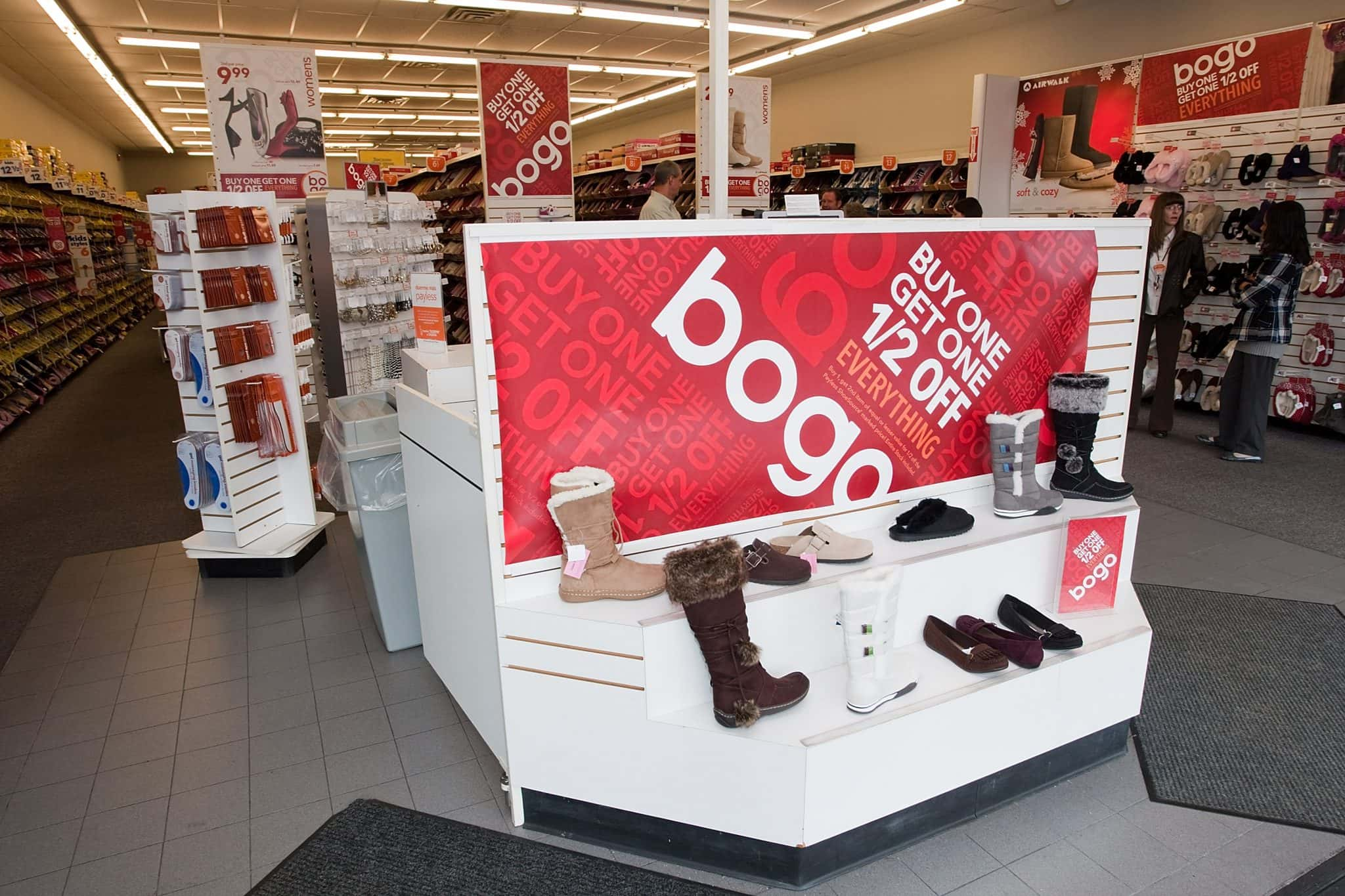
Payless ShoesDirect has announced that it will close the most stores this year out of all the firms that have announced shop closings this year. The corporation intends to close more than 2,500 locations and stage clearance sales in order to get rid of their merchandise and liquidate their inventory, according to reports. Some stores will remain open until the end of May, while others will close by the end of the third week of March.
Payless
Gymboree
Gymboree Group Inc, a children’s clothing store, filed for Chapter 11 bankruptcy protection in mid-January, according to court documents. A total of around 800 Gymboree and Crazy 8 stores across the United States and Canada will be closed, according to the company. Additional measures include the suspension of online purchases as well as the commencement of store-wide liquidation deals. Actually, this is the second time in less than two years that Gymboree has filed for bankruptcy protection. Just last year, the corporation shut down operations in a number of locations.
Gymboree
Charlotte Russe
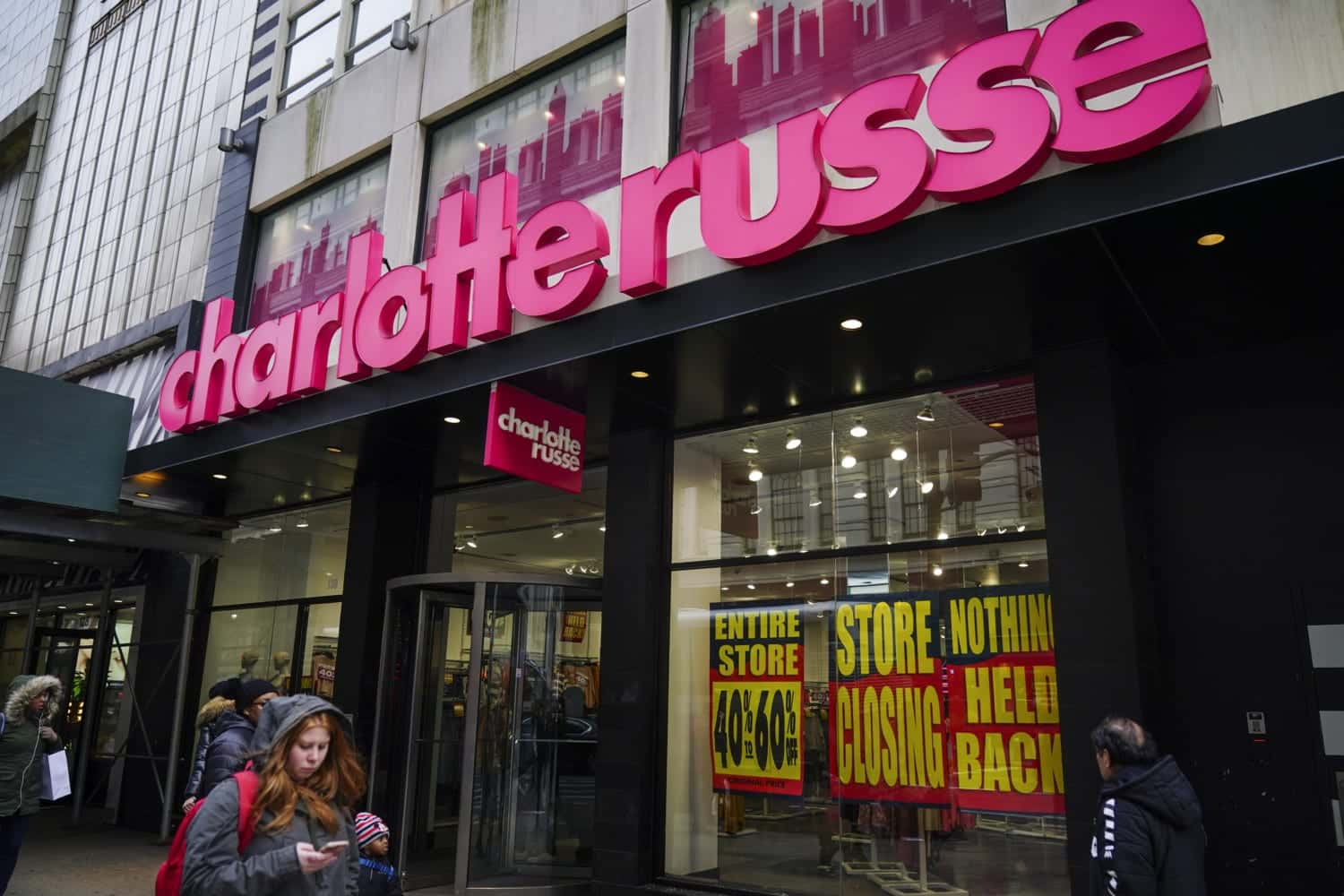
It was confirmed by Charlotte Russe in March 2019 that the entire business would be closing its doors. Yes, it applies to more than 500 businesses throughout the country. The firm has already announced that 94 locations would be closing as part of the restructuring. The remaining ones were forced to close by April 30, 2019. Although the company has already discontinued online transactions, it is still possible to purchase things at liquidation sales held at certain sites throughout the country.
Charlotte Russe
Starbucks
Starbucks said in the summer of 2014 that it will permanently close 150 shops that were underperforming. This is three times the amount of money that it regularly closes with at the end of a fiscal year. Company officials have, however, stated that the closures will have an impact on large cities with oversaturated marketplaces. In certain locations, the coffee chain branches are just competing with one another.
Starbucks
Christopher & Banks
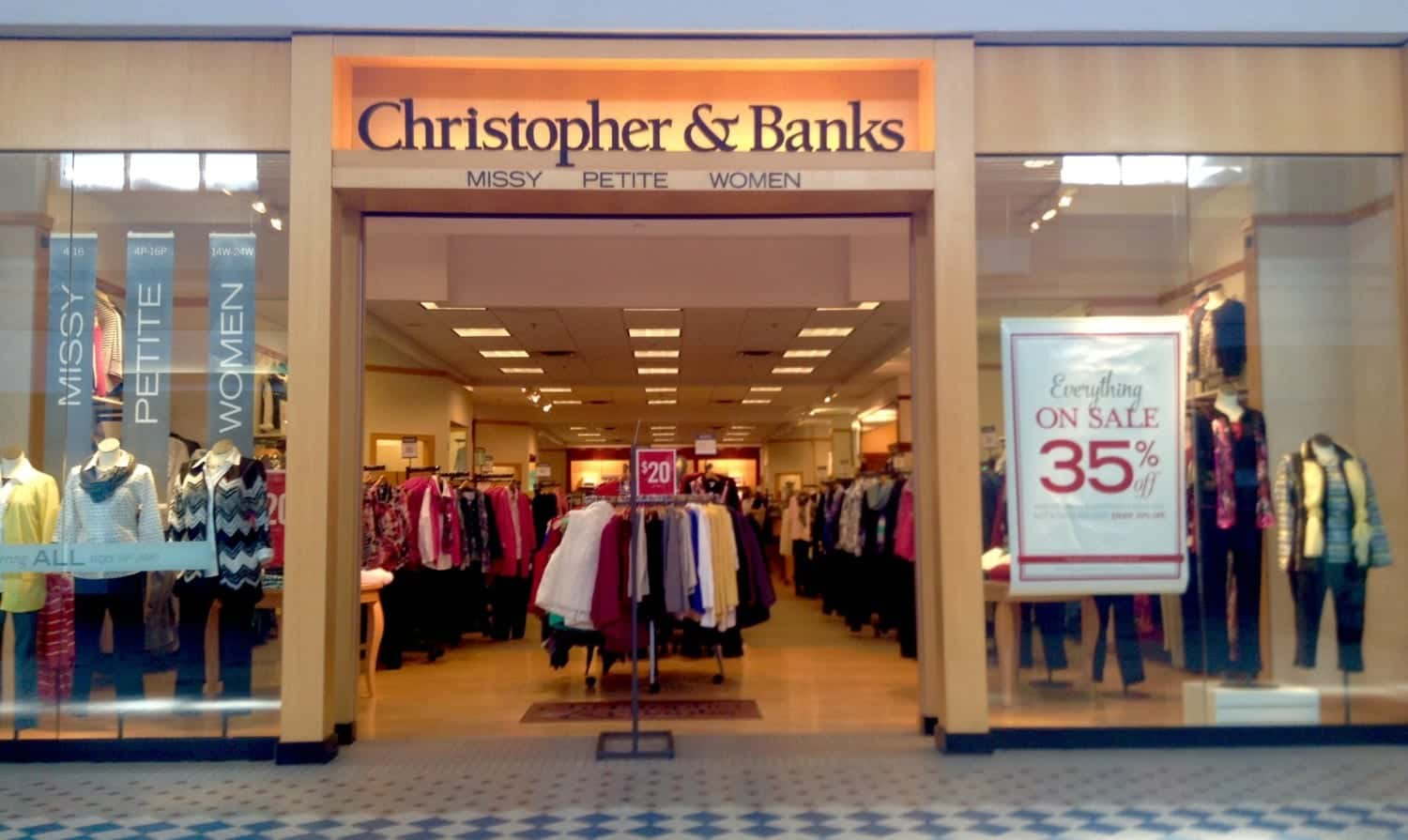
Christopher & Banks said in late 2018 that it planned to close 30 to 40 outlets by the end of the year 2020. This does not imply, however, that the company’s revenues are experiencing a decline in recent months. A positive trend has been observed with respect to the company’s e-commerce operation. Atop that, it is likely to increase even further this year!
Christopher & Banks
e.l.f Cosmetics
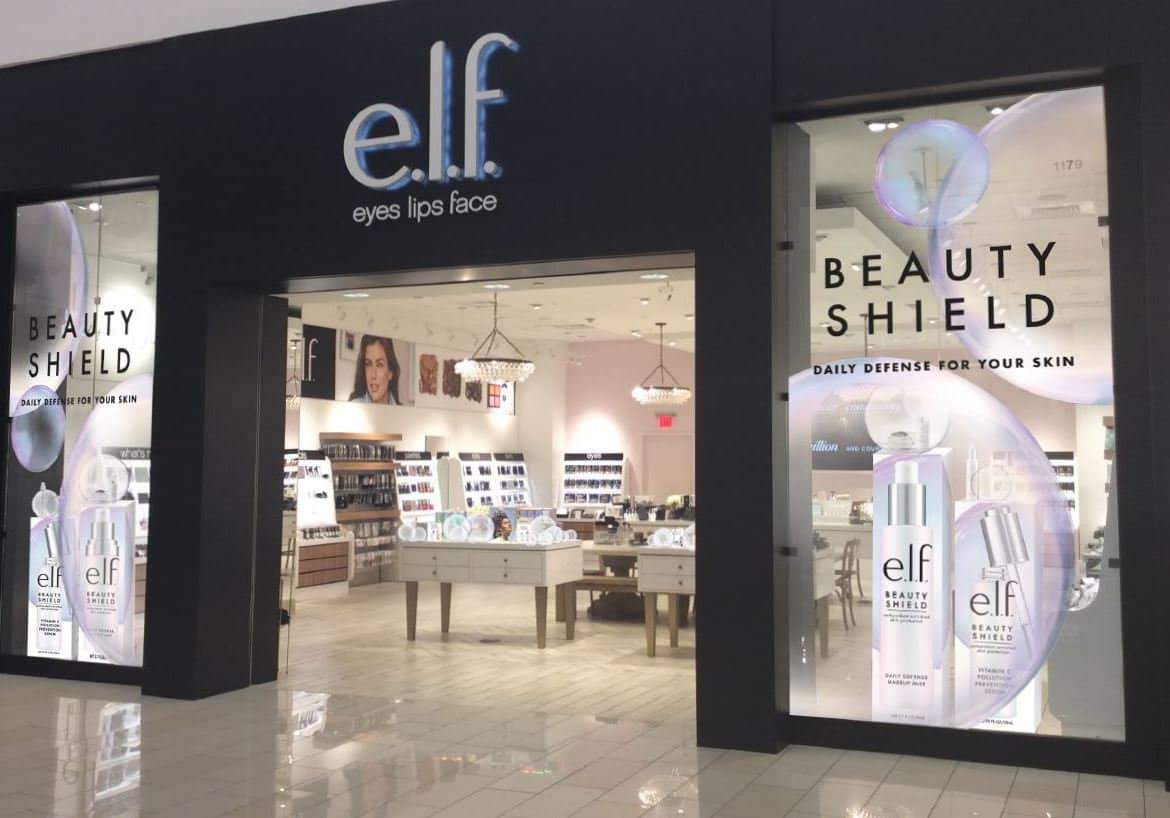
E.l.f Cosmetics, like the other companies on the list, has announced plans to close its physical locations and concentrate on e-commerce instead of traditional retail. By the end of March 2019, 22 of the company’s outlets would have closed. It is important for customers of this brand not to panic because their items can still be purchased through the company’s official website and at drugstores around the country.
elf
Destination Maternity
Destination Maternity Corp. intends to reduce its reliance on its retail presence in order to reinvigorate the firm and increase e-commerce sales in the future. The store closures, which are expected to begin later this year, will affect between 42 and 67 locations. They took this step with the aim of lowering shop expenses while also boosting their online presence and customer base. According to USA Today, the corporation also plans to create smaller sites “with decreased square area in order to generate increased productivity,” as reported by the publication.
Destination Maternity
Foot Locker
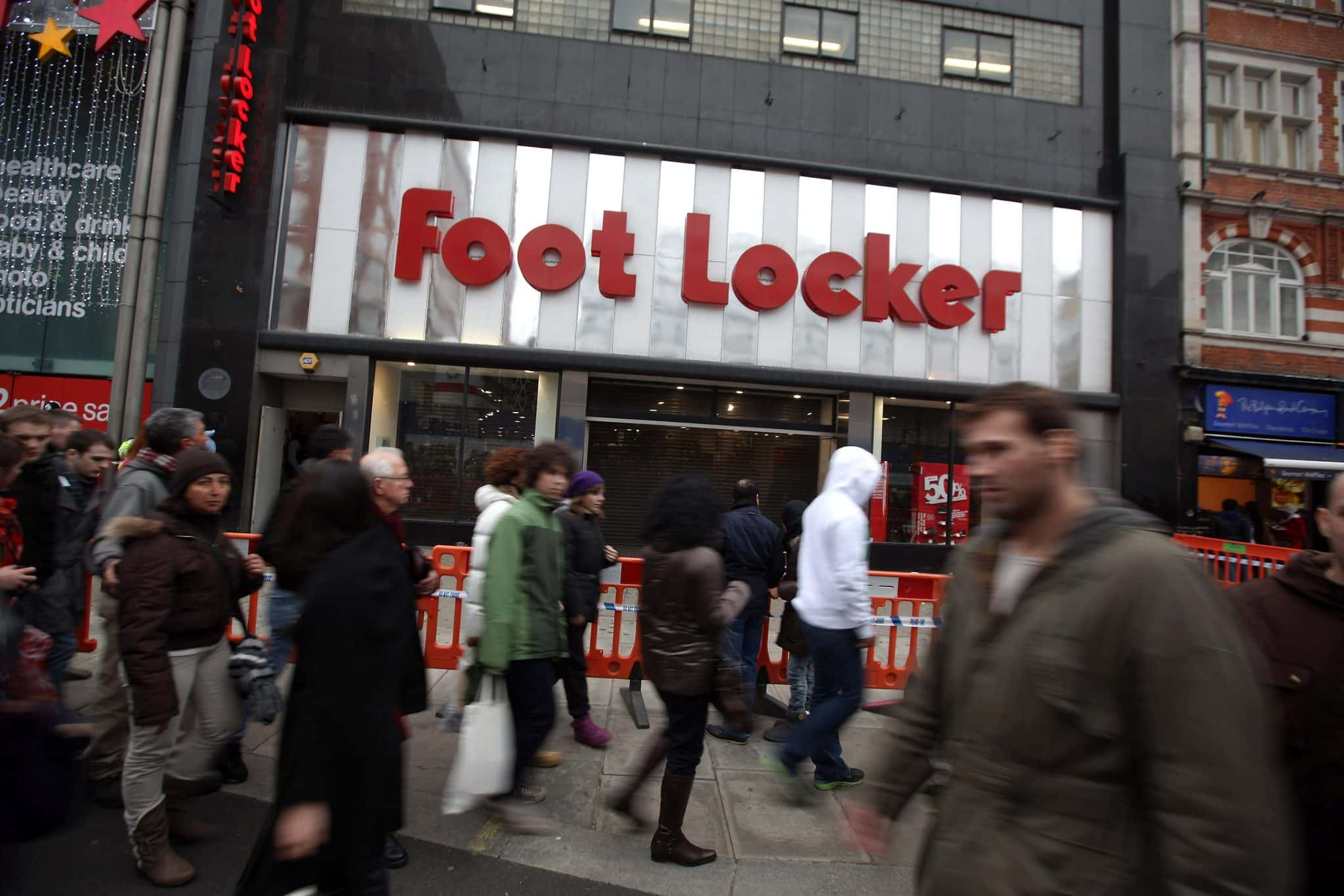
Foot Locker Inc. stated in March 2019 that it would be closing 167 shops around the US. It intended to increase its investment and pour millions of dollars into the remaining locations. This decision was made in order to increase profit margins. The retailer’s owners were taken aback by how well the company performed in the fourth quarter of 2018.
Foot Locker
J. Crew
J. Crew seems to be in the news all of the time these days, doesn’t it? Following the departure of its CEO in 2018, the company began the new year by closing six outlets in January. These store closings are part of the company’s broader plan to close 30 stores. They made the proposal public in the summer of last year. We have not, however, been informed of which locations they intend to close in order to fulfill their objectives.
J. Crew
Vitamin Shoppe
GNC is experiencing problems that are comparable to those experienced by Vitamin Shoppe. They are concentrating on e-commerce and developing a subscription business in order to avoid these difficulties. In 2017, top-line sales totaled $1.2 billion, representing an 8.5 percent decrease from the previous year. The decline in popularity of shopping malls, as well as the growth of competitors, can be attributed to the current scenario. We hope that their category extensions, delivery services, and marketing events will help them to break out of their rut soon!

The Vitamin Shoppe Store
Bebe
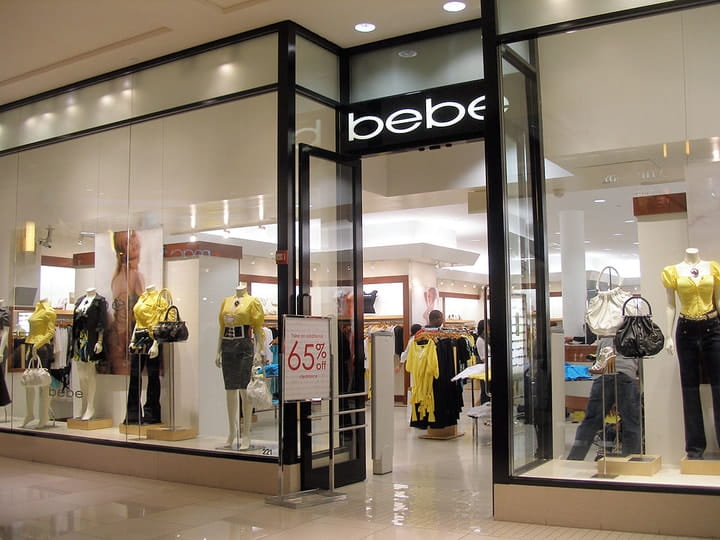
Neda Mashouf, the creative director and wife of Bebe founder Manny Mashouf, stepped aside from her position at the company, and sales began to decline. The brand was created in the year 1979. Because of the loss of retail malls, the corporation has had to deal with a slew of issues. Bebe reported a $4.6 million operating deficit during the fiscal year 2018. It also paid out $65 million to close retail outlets and concentrate on e-commerce, in addition to the above.
Bebe
David’s Bridal
It appears that elaborate costumes and extravagant wedding ceremonies are no longer commonplace in today’s society. Instead, more and more brides are choosing less expensive weddings and more informal attire. For bridal gown sellers like David’s Bridal, this is undoubtedly a bad development. This company is seeing a dramatic fall in sales. Atop that, they have an outstanding loan of $520 million and unsecured notes for $270 million, both of which are due in 2020.

David’s Bridal
Bon-Ton
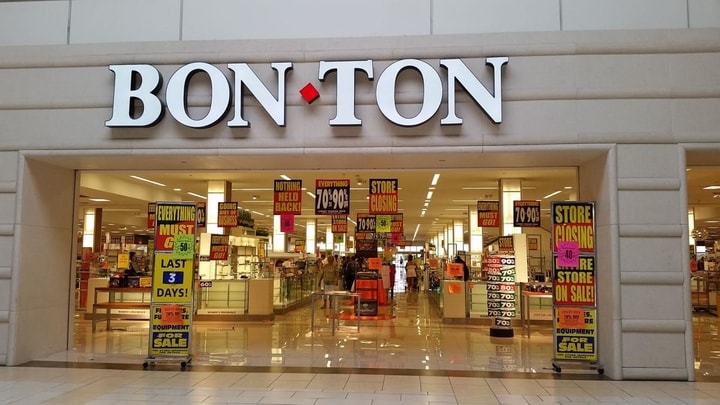
However, after more than a century in business, it is time to say goodbye to Bon-Ton, the online retailer and department store. The retailer filed for bankruptcy protection in the previous year and then closed all of its locations. In 2018, however, it reopened its e-commerce site and reopened a few of its physical stores. They had a lot of success in the beginning because they were able to operate in tiny communities where there was little competition. Amazon, of course, brought about a change.
Bon-Ton
Claire’s
Claire’s is an accessories store that first opened its doors in 1961 in Chicago. For a long period, it was the favorite store of many young American women. The company, on the other hand, pulled out of the initial public offering and filed for Chapter 11 bankruptcy protection in 2018. During the month of May of that year, it closed more than 130 locations around the country.

Claire’s
Southeastern Grocers
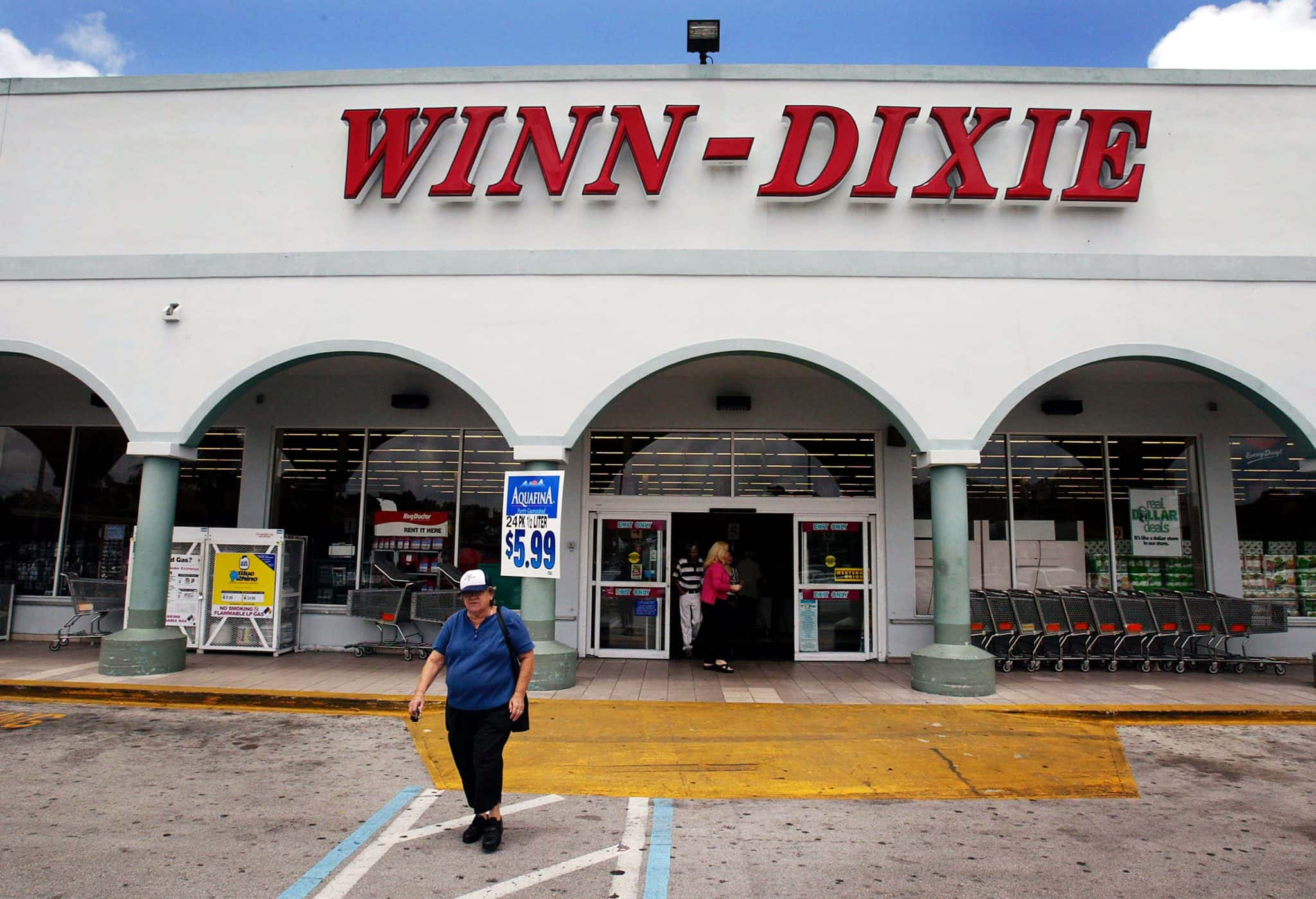
Supermarkets are also having difficulties in terms of sales. In the case of Southern Grocers, which is in charge of supermarkets such as Winn-Dixie, Bi-Lo, and Harveys, the company declared that it would close 22 shops by March 25, 2019, effective immediately. A little more than a year after it emerged from its Chapter 11 bankruptcy, the company reached this conclusion. 94 stores were forced to close by the firm throughout that period. Bi-Lo is the most vulnerable of the three brands it controls, with 13 outlets expected to close as a result of the company’s decision to consolidate operations.
Southeastern Grocers
Shopko
Shopko was the first to declare its intention to close 70 percent of its outlets by May 2019. However, they eventually changed their minds and announced that they would be closing all of their locations permanently. Shopko filed for bankruptcy in January 2019, hoping that a buyer would be able to rescue the company from its current predicament. Unfortunately, it was unable to find a buyer and was forced to liquidate all of its inventory. Consequently, it will close all of its locations by June 2019.
Shopko
Performance Bicycle
If you are a bike fanatic, we have some bad news for you: you will be disappointed. The country’s largest bicycle retailer has announced that it would close its doors. The company’s final 104 outlets closed their doors on March 2. Advanced Sports Enterprises filed for bankruptcy protection in the fall of last year. It had wanted to save at least half of its locations by attempting to renegotiate the leases at the outset of the process. Unfortunately, the company was forced to close its doors due to lack of funds.

Performance Bicycle
Lowe’s
Lowe’s is a well-known supplier of products for the home and garden. Already, 51 outlets have been closed by the corporation, all of which were performing below par. The closures occurred in the year 2019. It closed 20 locations in the United States and 31 stores in Canada. When the company announced its plans at the end of 2018, it stated that it hoped to have all of the stores closed by February 1, 2020. The decision to close stores was made after longstanding CEO Robert Niblock departed and was replaced by Marvin R. Ellison, a former J.C. Penney executive who had previously served as CEO.
Lowe’s
Vera Bradley
Vera Bradley is revamping its business operations, focusing on licensing rather than operating traditional brick-and-mortar stores, as reported by Business Insider. Instead, the business is considering selling home goods through retail giants such as Bed Bath and Beyond and Macy’s, according to the press release. It also intends to close as many as 50 outlets out of a total of 110 by the year 2021. Many of the leases are slated to expire at the end of that month. It is still feasible to visit a physical store, though, because 52 Vera Bradley factory locations are still in operation as of today.
Vera Bradley
Henri Bendel
Henri Bendel closed all of its 24 locations across the country in the first quarter of 2020. Later, in the fall of 2018, the parent firm L Brands announced that the entire brand would be shut down, including the website and the famed Fifth Avenue location. Instead, the business chose to concentrate on other brands that had greater promise, such as Victoria’s Secret and Bath & Body Works, which are also profitable.
Henri Bendel
Family Dollar
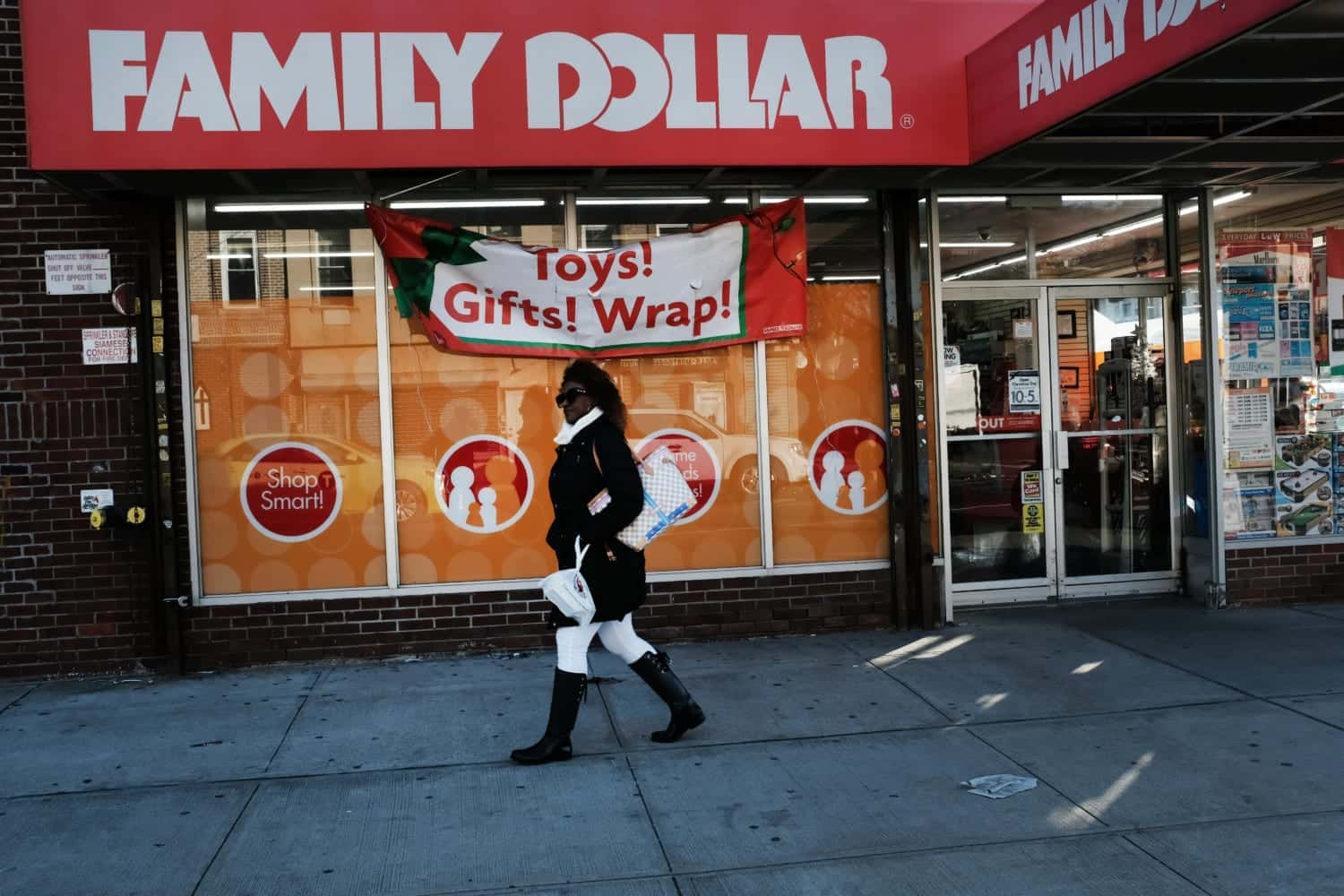
Dollar Tree is a bargain retailer that has announced that it will close around 390 Family Dollar shops by the end of 2020. It would mean that the clientele would have to go somewhere else to buy their personal care items and other necessities in the future. This corporation also made the decision to rebrand around 200 branches. It also intends to make other modifications in the near future. They intend to raise the prices of their products in a couple of stores in the near future.
Family Dollar
J.C. Penney
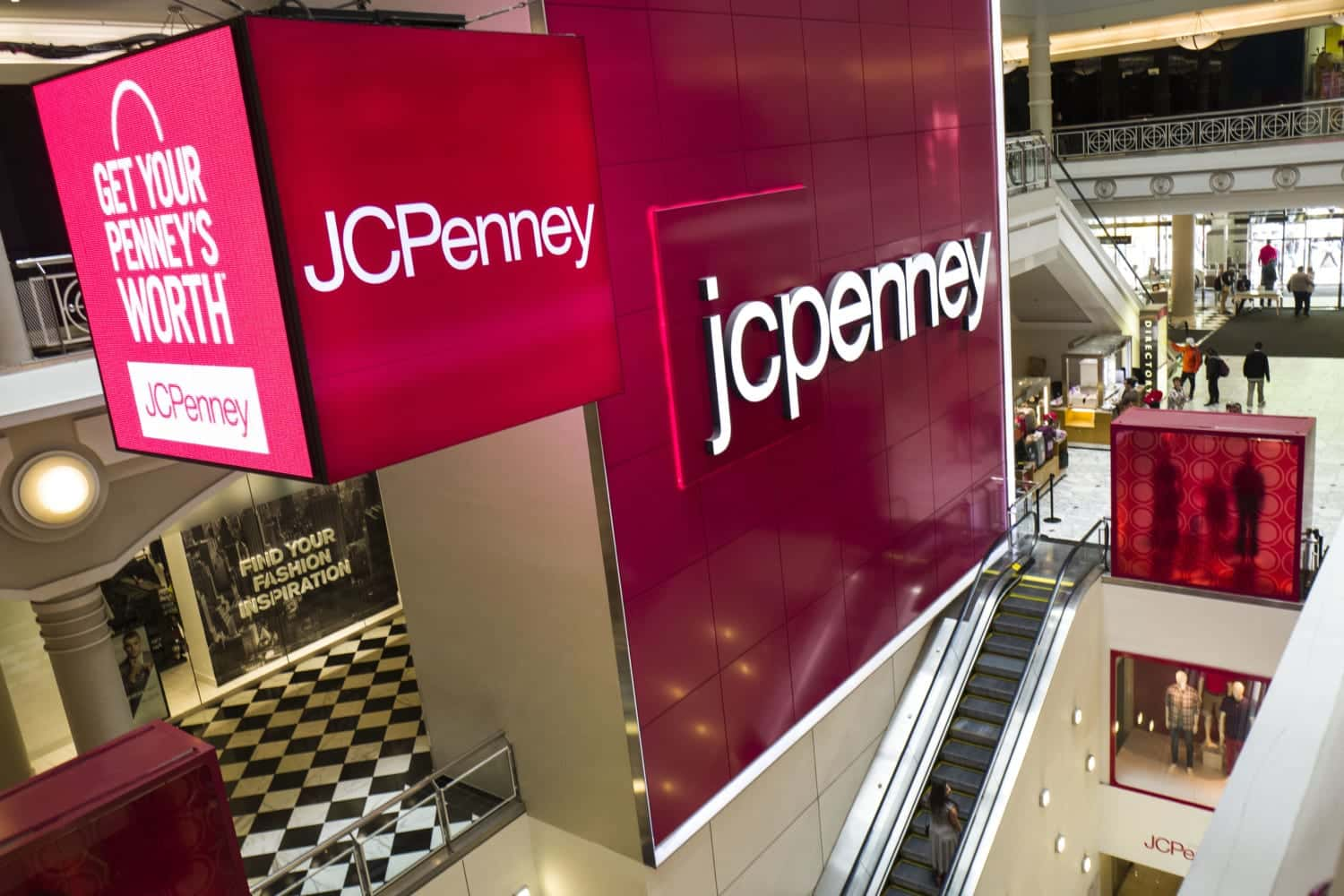
J.C. Penney has been a mall mainstay for numerous years, albeit it has seen a dip in sales during the last several months. In addition, it had to contend with a dry spell over the holiday season, which resulted in a decline in the value of its stock. In light of these developments, the business has announced the closure of 18 department shops by 2020. On top of that, nine furniture stores will be closed as a result of the restructuring. As a result, a total of 27 locations will be closed by the company.
J.C. Penney
Z Gallerie
Z Gallerie is a high-end furniture company that specializes in fine home furnishings. It has recently been added to the list of retailers who have declared bankruptcy. According to reports, the company is attempting to find a buyer who will help it avoid bankruptcy. To make room for this, the company is closing 17 stores, which accounts for almost 20% of its total store count across the country.
Z Gallerie
Beauty Brands
Beauty Brands announced to the public that it would be closing 25 outlets in the year 2018. The corporation filed for bankruptcy in January of that year and laid off a significant portion of its corporate workforce. A portion of the company’s bankruptcy application stated that the company was suffering from rising operational costs as a result of its status as “a largely brick and mortar store.”

Beauty Brands